
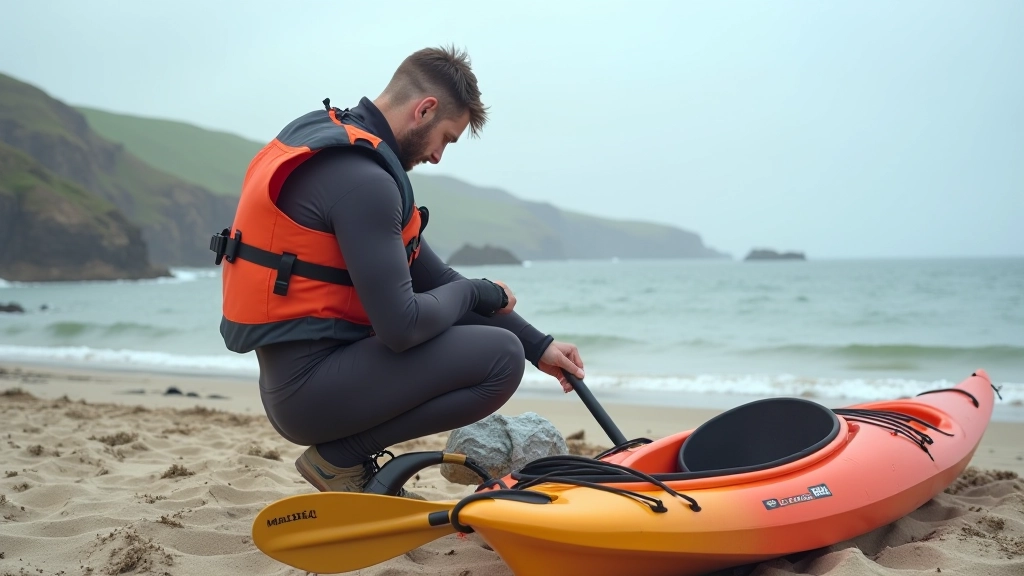
Getting Dressed for the Atlantic
You can't just throw on a t-shirt and head out on the water. Atlantic conditions don't care how brave you are — they'll test your gear and your preparation. We've seen paddlers show up in cotton, and we've seen them learn the hard way why that doesn't work.
The water temperature around Dingle rarely climbs above 15°C, even in summer. That means hypothermia isn't some distant theoretical risk — it's something we actively manage on every single session. We're not trying to scare you. Just being honest.
Wetsuits: Non-Negotiable
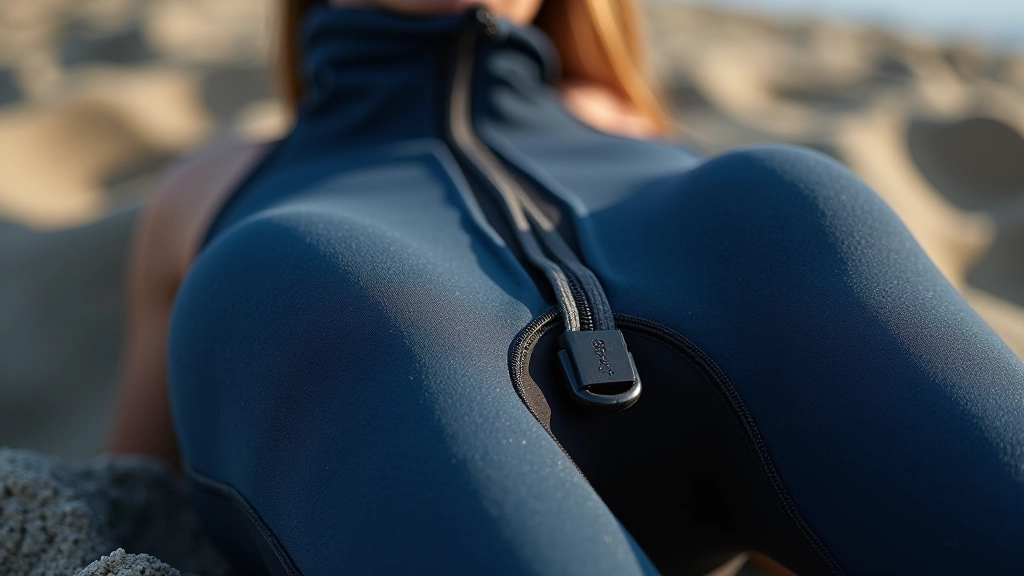
A 5mm or 6mm wetsuit is standard for Atlantic paddling year-round. Some of our regulars switch to 7mm in winter months (November through February), and that's sensible thinking. You're looking at keeping your core and limbs warm while staying mobile enough to paddle effectively.
The suit needs to fit snugly — not uncomfortably tight, but without gaps at the neck, wrists, or ankles. Loose wetsuits let cold water cycle in, which defeats the whole purpose. We've got a sizing guide on our gear recommendations page if you're shopping, but honestly, try before you buy if possible.
Pro tip: Neoprene stays warmer when it's slightly damp against your skin. So yes, that clammy feeling when you first suit up? That's normal and actually working in your favor.
Life Jackets: We Provide Them
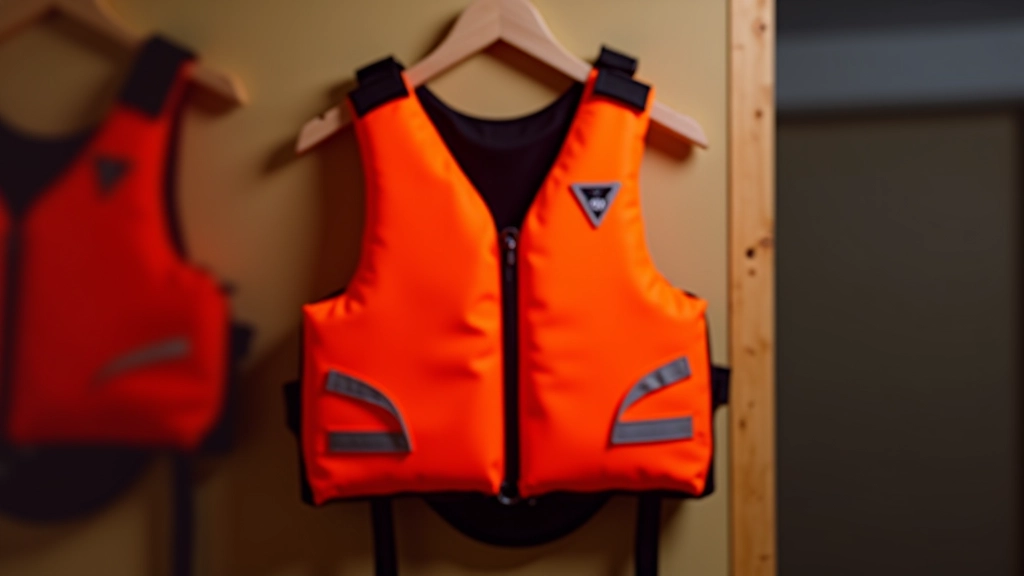
Every single paddler on our tours wears a certified life jacket. This isn't negotiable, and it's not about making things look official. We've had people end up in the water more times than we can count, and the jacket is the difference between an uncomfortable moment and a tragedy.
We supply jackets that fit properly and stay comfortable during 2-3 hours of paddling. They're not the inflatable kind you see on yachts — ours are buoyant foam that works instantly, no pulling tabs or hoping. The straps adjust so the jacket sits correctly on your chest and doesn't ride up or slip sideways when you move.
What Else You'll Need
Paddling Gloves
Neoprene or polymer gloves keep your hands warm and give better grip on the paddle. They're optional in summer but we recommend them year-round.
Water Shoes
Protect your feet from sharp rocks when launching or exiting. We provide these, or bring your own if you've got ones you trust.
Sun Hat or Cap
The sun reflects off water and multiplies UV exposure. A hat with chin strap keeps it from blowing away. Seriously underrated.
Sunscreen
Waterproof SPF 30 minimum. Reapply every 90 minutes. We've got some at the facility if you forget.
Pre-Launch Safety Checks
Before we hit the water, we run through a checklist. You're welcome to watch or help — it's good to understand what we're checking and why. Takes about 10 minutes total.
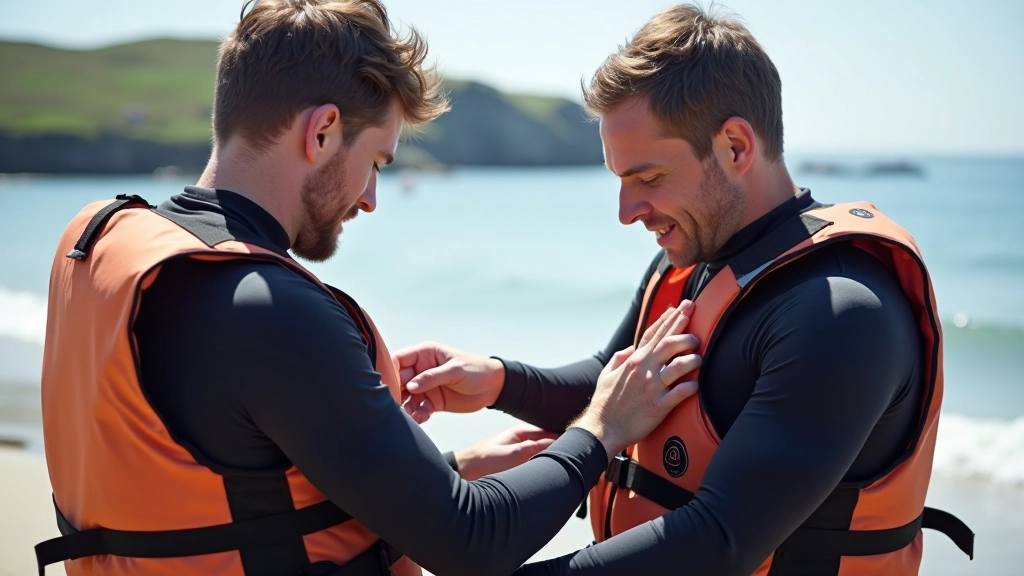
Life jacket fit and fastening — we'll adjust yours personally
Kayak hull condition — checking for cracks, splits, or soft spots
Paddle inspection — ensuring no splits and grip is secure
Foot placement in kayak — adjusting pedals or foot braces for comfort
Weather and water conditions — current, wind, visibility assessment
What Happens If Something Goes Wrong
We stay in protected bays for exactly this reason. The water's calmer, we've got a clear sightline to shore, and rescue is minutes away, not hours. We're trained in wet exit procedures — that's paddler-speak for getting out of a capsized kayak safely. We practice it with every group before we paddle.
Here's what you should know: if you flip, your life jacket brings you to the surface. Your paddle floats. The kayak floats. We're right there, and we've got a recovery technique that gets you back in within minutes. It's uncomfortable, it's cold, and you'll be pretty embarrassed, but it's not dangerous if you follow instructions and stay calm.
In 6 years of operation, we've never had a serious incident. Not because we're lucky — because we don't take chances with safety. The gear matters. The preparation matters. The attitude matters most of all.
Ready to Get Out There
If this all sounds serious, that's because it is. But it's also incredibly manageable once you've got the right gear and understanding. You'll spend maybe 20 minutes gearing up, 10 minutes on safety checks, and then 2-3 hours paddling through some of the most beautiful water on the Irish coast.
We've got all the technical gear covered. You just need to show up, bring a sense of adventure, and trust the process. The Atlantic's spectacular when you're properly prepared for it.
Learn What to Expect on a Guided TourSafety Disclaimer
This article provides educational information about sea kayak preparation and safety practices. It's not a substitute for professional instruction, proper training, or guidance from qualified instructors. Sea kayaking involves inherent risks including capsizing, cold water exposure, and water-related hazards. Always participate with certified instructors, follow local regulations, and ensure you have proper training before attempting independent paddling. Conditions vary seasonally and daily — conditions that were safe yesterday may be dangerous today. When in doubt, don't go out. Professional assessment by experienced kayak operators is essential for safe paddling in Atlantic conditions.