
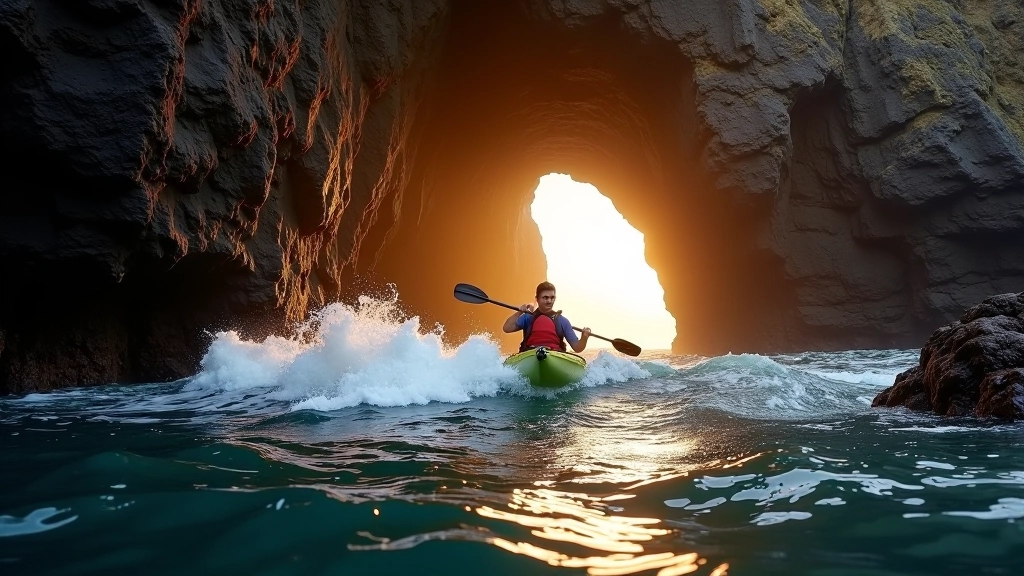
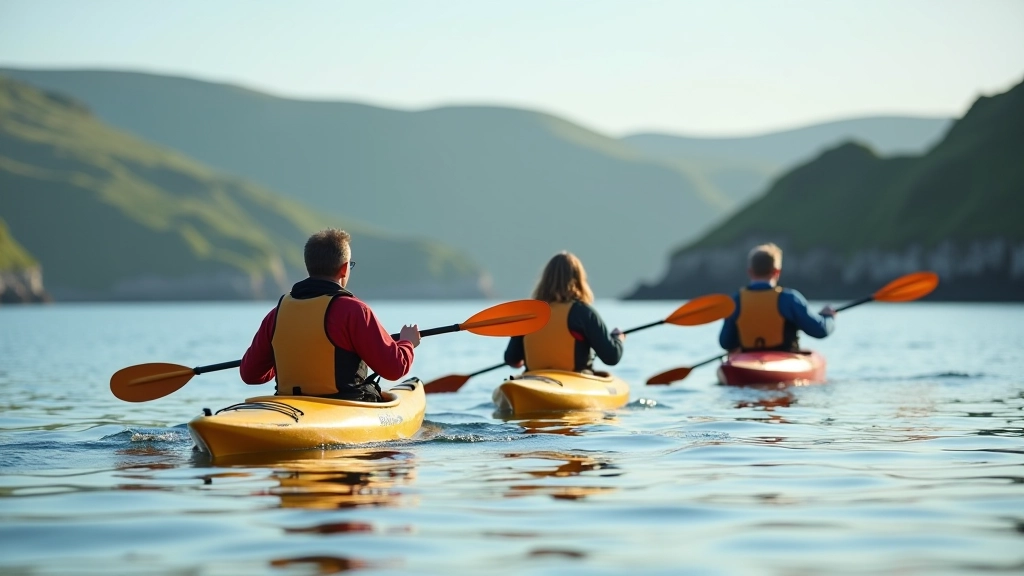
Half-day guided tours are the sweet spot for kayakers who want a real experience without committing the whole day. We'll cover roughly 8-10 kilometers of sheltered water, depending on conditions and your group's pace. You'll get proper instruction, a chance to spot local wildlife, and enough time to actually relax on the water rather than rushing through.
Here's what actually happens from the moment you arrive until you're paddling back to shore. We're not going to dress this up as something more adventurous than it is — it's genuinely enjoyable, but it's also straightforward and manageable. Most people come back wanting to do it again.
The Timeline and Why Early Morning Works Best
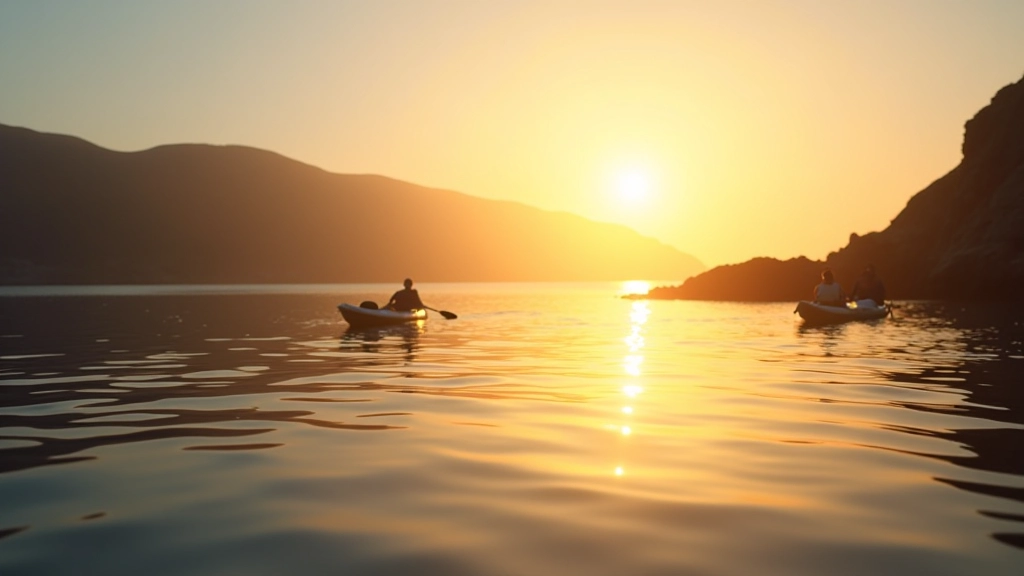
We run two sessions — early morning at 7:30 AM and afternoon at 2:00 PM. The early slot fills up first because the water's genuinely calmer then. Wind hasn't had time to build up yet, and you'll have the bay almost to yourself.
You'll arrive 30 minutes early. We sort out wetsuits, fit your kayak, and go through the safety chat. Nothing complicated — just how to get in and out, what to do if the paddle floats away, and where we're heading.
First 15 minutes we stay close to shore. You'll learn the proper paddle stroke, how to turn, and how to brace if you catch a wave wrong. We don't rush this part.
Once you're comfortable, we head out into the bay proper. You'll see sea caves, rocky outcrops, and if we're lucky, seals and seabirds. We keep to calm protected water — no open ocean.
We'll pull onto a small beach for 15-20 minutes, have some water, and chat about what you've seen. Then paddle back at a relaxed pace. The whole thing is done by 11:30 AM or 5:00 PM depending on your session.
Wildlife You're Likely to See
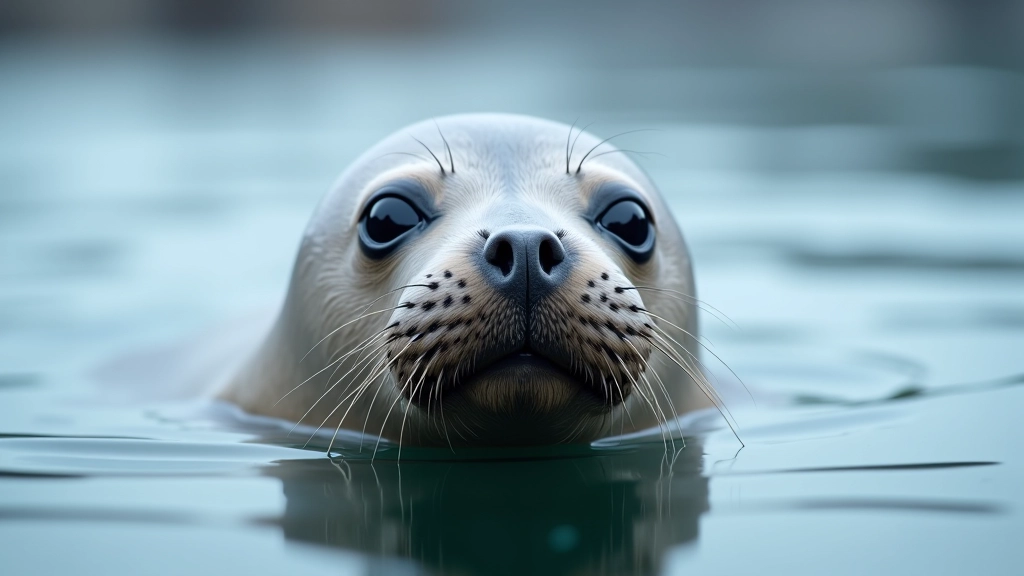
This isn't a guarantee, but it's rare to paddle without spotting something. The bay's got a healthy population of gray seals — they're curious and don't mind kayaks as long as you move slowly. You'll see guillemots, razorbills, and cormorants diving for fish. In summer months, there's a decent chance of spotting dolphins, though they're not regular.
Most people remember the seals more than anything else. They pop their heads up out of the water and just watch you go by. It's genuinely cool.
The caves themselves are worth the paddle. You can get quite close to them, and the rock formations are dramatic. We won't take you inside if the swell's up — safety first — but you'll get a proper look. Some of them have old smuggling history, which adds to the atmosphere.
Physical Demands and What to Expect
Don't panic if you're not super fit. These tours aren't racing. Most beginners paddle comfortably at 3-4 kilometers per hour, which means you're not gasping for breath. Your shoulders and core get a workout, but it's more endurance than intensity.
Typical Fitness Level
If you can walk for 2 hours without needing a lie-down, you'll be fine. The water's supporting your weight, so it's easier than walking the same distance on land.
Common Discomforts
Your wrists might feel it the next day. Your legs could be a bit stiff from sitting. These aren't injuries — just normal muscle soreness that goes away in 24 hours.
We've had people aged 8 to 78 do these tours. Age matters less than general fitness and comfort in water. If you're nervous about capsizing, don't be. It happens rarely, and we teach you how to handle it. Most people don't go in at all.
What We Provide vs. What You Should Bring
We Supply
- Kayak and paddle
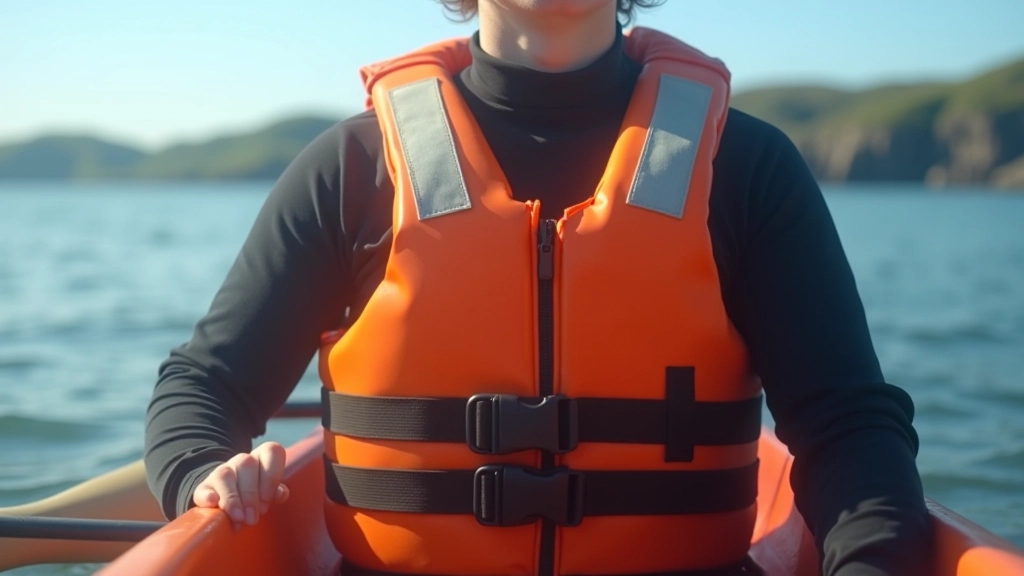
- Personal flotation device (PFD)
- Neoprene wetsuit
- Professional instruction
- Safety equipment and first aid
You Should Bring
- Towel and dry clothes
- Water bottle or hydration pack
- Sunscreen (even on cloudy days)
- A light snack
- Any medications you need
The wetsuits are thick enough that you won't get properly cold, even if you fall in. We've got spare sizes — don't worry about fit being perfect. Your shoes get wet, so bring old trainers or water shoes, not good ones.
Why You'll Actually Enjoy This
Half-day tours hit the perfect balance. You're not committing eight hours, you're not just doing a quick paddle-around, and you'll genuinely feel like you've done something by the time you're done. Most people leave wanting to book another session, either with us or somewhere else. It gets under your skin — being on the water just does that.
The early morning slot genuinely is the best choice if you can manage it. Calmer water, better light, fewer other boats around, and you've got the whole day ahead of you. But the afternoon session works too, especially if you've got kids or a late morning.
Important Information
This guide is informational in nature and describes typical experiences on guided kayak tours. Individual experiences will vary based on weather conditions, water conditions, group composition, and personal ability. Always follow your guide's instructions, disclose any health conditions or concerns before your tour, and wear all safety equipment provided. Our guides are trained in safety and rescue techniques, but water activities carry inherent risks. Participants do so at their own risk. For specific medical concerns or questions about your fitness for paddling, consult with a healthcare professional.